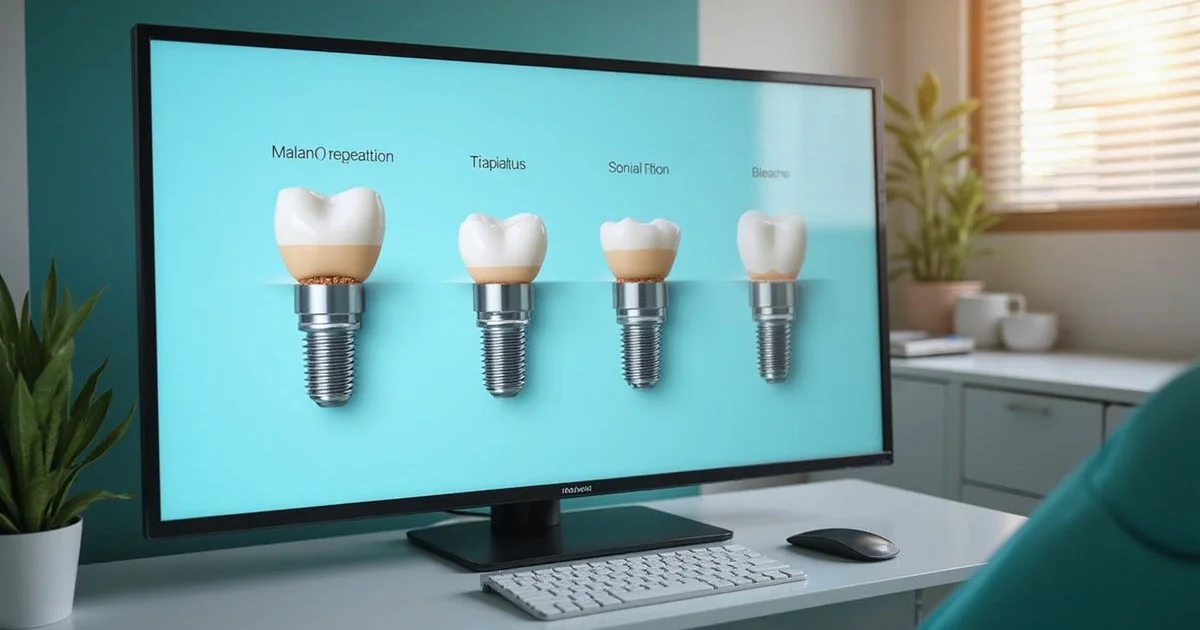
7 Signs You Need a Dental Implant (And What to Do Next)

A missing or failing tooth does not always announce itself with dramatic pain. Sometimes the signs are subtle, easy to dismiss, or so gradual that you learn to live with them. But the longer you wait, the more your oral health deteriorates. Bone loss accelerates, adjacent teeth shift, and what could have been a straightforward implant case becomes more complex and more expensive.
Dental implants are the gold standard for replacing missing or irreparably damaged teeth. They look, feel, and function like natural teeth, and with proper care they can last a lifetime. The key is recognizing when you need one before the situation gets worse.
Here are seven warning signs that it may be time to seriously consider a dental implant.
1. Persistent Tooth Pain That Will Not Go Away
We are not talking about the occasional twinge from biting into something cold. If you have a tooth that aches constantly, throbs when you chew, or sends sharp pain radiating through your jaw, something is seriously wrong beneath the surface. Persistent pain often signals advanced decay, a cracked root, or an infection that has reached the nerve.
When the damage extends below the gum line or compromises the root structure, a root canal may not be enough to save the tooth. In these cases, extraction followed by an implant is the most reliable long-term solution.
2. A Loose Tooth or Teeth That Feel Unstable
Adult teeth should not move. If you notice a tooth that wiggles when you push on it with your tongue, or if it shifts visibly when you bite down, you are likely dealing with advanced periodontal disease or significant bone loss around the root. Gum disease is the leading cause of tooth loss in adults, and once the supporting bone has deteriorated past a certain point, the tooth cannot be saved.
An implant replaces not just the visible crown but also the root, which means it integrates directly with your jawbone and provides the same stable foundation your natural tooth once had.
3. Difficulty Chewing or Biting
Do you find yourself favoring one side of your mouth when you eat? Have you stopped eating certain foods like steak, apples, or nuts because chewing has become uncomfortable or even painful? Difficulty chewing is one of the most common and most ignored signs that a tooth needs to be replaced.
When you avoid chewing on a particular area, the teeth on the opposite side of your mouth bear extra force, which can cause premature wear, cracks, and additional problems down the line. A dental implant restores full chewing function so you can eat normally again without thinking about it.
4. A Visible Gap From a Missing Tooth
Perhaps you had a tooth extracted years ago and never replaced it. Maybe you lost a tooth in an accident. Regardless of how the gap got there, leaving it empty is one of the most damaging things you can do for your oral health.
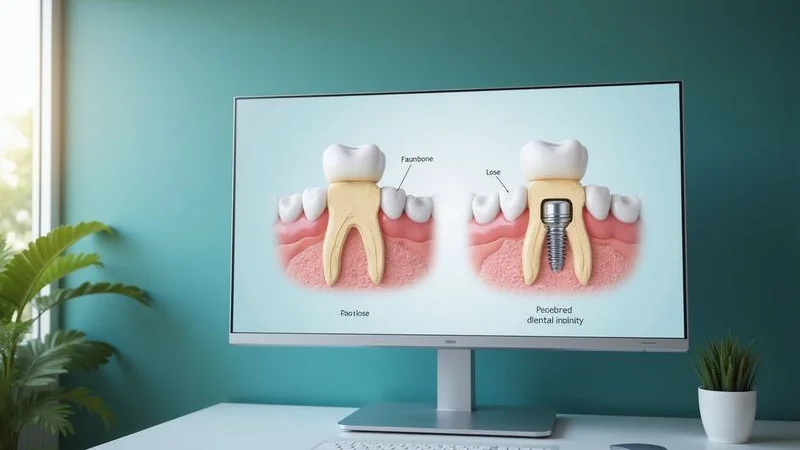
When a tooth is missing, the adjacent teeth gradually drift into the empty space, changing your bite alignment. The jawbone beneath the gap begins to resorb because it is no longer stimulated by a tooth root. Over time this bone loss can change the shape of your face, creating a sunken or aged appearance. An implant placed in the gap stops bone loss, prevents teeth from shifting, and restores your smile.
5. Signs of Bone Loss in Your Jaw
Bone loss does not always produce obvious symptoms, but there are clues. If your dentist has mentioned that your bone density is decreasing, if your dentures no longer fit as snugly as they once did, or if you notice that the lower third of your face looks shorter or more recessed than it used to, jawbone resorption is likely underway.
Dental implants are the only tooth replacement option that actively stimulates the jawbone and prevents further resorption. The titanium post functions like a natural root, sending signals to the bone that encourage it to maintain its density and volume. The sooner an implant is placed after tooth loss, the more bone you preserve.
6. Your Bridge or Denture Is Uncomfortable
Bridges and dentures are functional solutions, but they come with trade-offs. Bridges require grinding down healthy adjacent teeth to serve as anchors. Dentures sit on top of the gums and rely on adhesive or suction for retention, which means they can slip, click, and cause sore spots.
If your current bridge is failing, if the anchor teeth are developing decay, or if your dentures have become loose, painful, or embarrassing, an implant-supported solution eliminates all of those problems. Implant-supported crowns function independently without affecting neighboring teeth. Implant-supported dentures snap onto fixed posts, so they never slip and never require adhesive.
7. A Severely Cracked or Fractured Tooth
Not every cracked tooth needs an implant. Minor cracks can often be repaired with a crown. But when a crack extends vertically down into the root, or when a tooth fractures below the gum line, there is usually no way to repair it. A vertically fractured root will eventually split completely, leading to infection and bone loss if it is not addressed.
In these cases, extraction and implant placement is the most predictable path to a healthy, functional outcome. Modern protocols sometimes allow the implant to be placed on the same day as the extraction, which reduces overall treatment time and preserves bone.

What Should You Do Next?
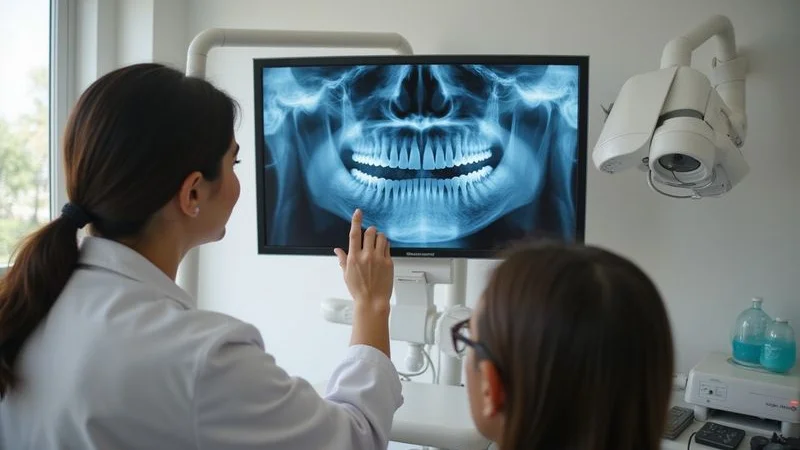
If any of these signs sound familiar, the most important step you can take is to get a professional evaluation. A qualified implant dentist will take a 3D CT scan of your jaw, assess your bone density, evaluate the health of your remaining teeth, and give you an honest recommendation.
During the consultation, ask these questions:
- What implant brand do you use? Look for globally recognized names like Nobel Biocare, Straumann, or BioHorizons.
- How many implant cases have you completed? Experience matters significantly with implant surgery.
- What is included in the quoted price? Make sure the quote covers the implant, abutment, crown, and any necessary bone grafting.
- What is the expected timeline? Some cases can be completed in a single visit; others require two visits separated by a healing period.
- Do you offer a warranty? Reputable clinics stand behind their work with written guarantees.
Do Not Wait Until It Gets Worse
Every month you delay treatment, the situation becomes more complex. Bone continues to resorb, adjacent teeth continue to shift, and what could have been a single implant may eventually require bone grafting or multiple implants.
If cost is the barrier, know that dental implants in Playa del Carmen are 50 to 70 percent less expensive than in the United States or Canada, with the same materials and the same standard of care. A free consultation and treatment plan can give you the clarity you need to make an informed decision. Reach out today and take the first step toward restoring your smile.